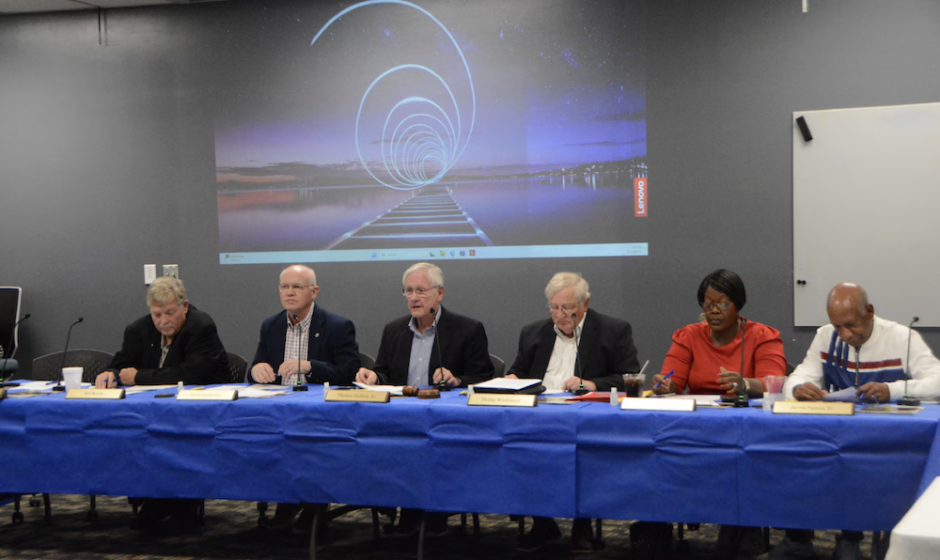

Roughly 770,000 customers served by Central Alabama Water will not see a rate increase in 2026 after the board approved a reduced spending plan.
Rates stay flat under new budget
First, the board voted to keep residential, commercial, and wholesale water rates at their 2025 levels. Members approved a $215.5 million spending plan that includes a $139.8 million operating budget and a $75.7 million capital budget for infrastructure and repairs. The plan covers customers across Jefferson, Shelby, Blount, St. Clair, and Walker counties.
Notably, the operating budget comes in well below recent spending levels. While the utility will maintain its current workforce, the plan includes no merit or wage increases for employees.
Cuts driven by state law and leadership changes
Meanwhile, officials signaled that additional reductions could arrive soon. CEO Jeffrey Thompson, hired last month, said the board expects to revisit the budget with significant amendments as early as March.
According to consultants, the cuts stem from a state law that replaced the former Birmingham Water Works Board with a regional authority. That law limits spending to items directly tied to providing water service, which forced the utility to drop some previously supported programs. As a result, Thompson’s team trimmed about $2 million more from a draft budget created earlier this year.
However, tensions surfaced during the meeting. Jefferson County Commissioner and board member Sheila Tyson pressed for details on the eliminated expenses and criticized the lack of transparency. Thompson later said he would provide a full list of cuts.
Infrastructure funding and ongoing controversy
At the same time, the board approved a capital plan that relies partly on low-interest and forgivable loans from state and federal programs. These include more than $183 million to replace aging lead pipes, funding administered through the Alabama Drinking Water Authority with support from the U.S. Environmental Protection Agency.
That loan package remains controversial because Birmingham Mayor Randall Woodfin has declined to sign off while the city challenges the board’s new structure in court. Even so, board leaders defended the budgets as necessary. Chairman Tommy Hudson said the utility must control spending before considering any future rate increases.
Ultimately, the board approved the budgets on a 4–1 vote, with Tyson casting the lone dissent. Officials emphasized that the plan serves as a temporary measure and could change as financial reviews continue.
Sign up for the Homely Birmingham newsletter to stay up to date on Birmingham.