
The City of Birmingham has begun rolling out its “Home For All” initiative, a $2.4 million pilot program designed to provide temporary housing and support services for unhoused residents.
The effort focuses on creating a pathway toward long-term stability and independence.
Pilot Program Focused on Support and Transition
The initiative is a partnership between the city and Faith Chapel Care Center, which will help operate the first phase. The program offers temporary stays in micro-shelter units alongside wraparound services aimed at helping residents transition into permanent housing.
These services include workforce development, substance abuse recovery programs, medical care, and case management. City leaders emphasize that the program goes beyond shelter by addressing the underlying challenges individuals face.
First Phase Features Micro-Shelter Community
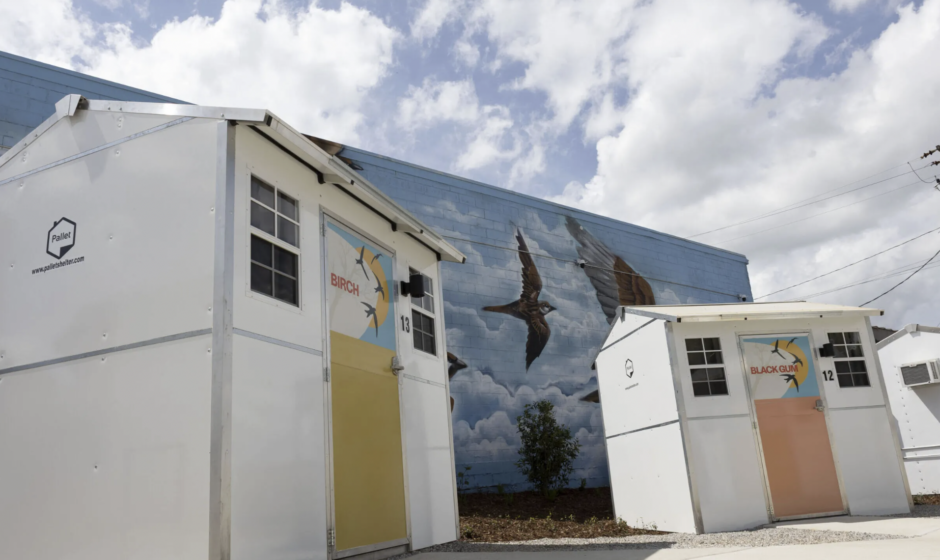
Phase one includes a 15-unit micro-shelter site located in North Birmingham. The community features essential infrastructure such as sidewalks, green space, ADA-compliant facilities, a pavilion, and 24/7 security.
Each unit is equipped with heating and cooling, a bed, desk, chair, microwave, and mini-refrigerator. Residents also receive basic necessities and personal items to support daily living. The program is designed specifically for men ages 18 and older who cannot access traditional group housing options.
Expansion Plans Already Underway
The city plans to expand the initiative in a second phase led by Urban Alchemy, a national organization focused on addressing homelessness. This phase is expected to add around 40 additional micro-shelter units.
The Home For All program will operate as a one-year pilot, allowing officials to evaluate its impact and effectiveness before considering future expansion.
A Broader Approach to Homelessness
City officials say the initiative reflects a broader commitment to addressing homelessness through both housing and supportive services. By combining shelter with structured assistance, the program aims to help residents build stability and move toward permanent housing solutions.
Leaders describe the effort as a long-term investment in both individuals and the community, with the goal of creating sustainable outcomes for those in need.
Sign up for the Homely Birmingham newsletter to stay up to date on Birmingham.