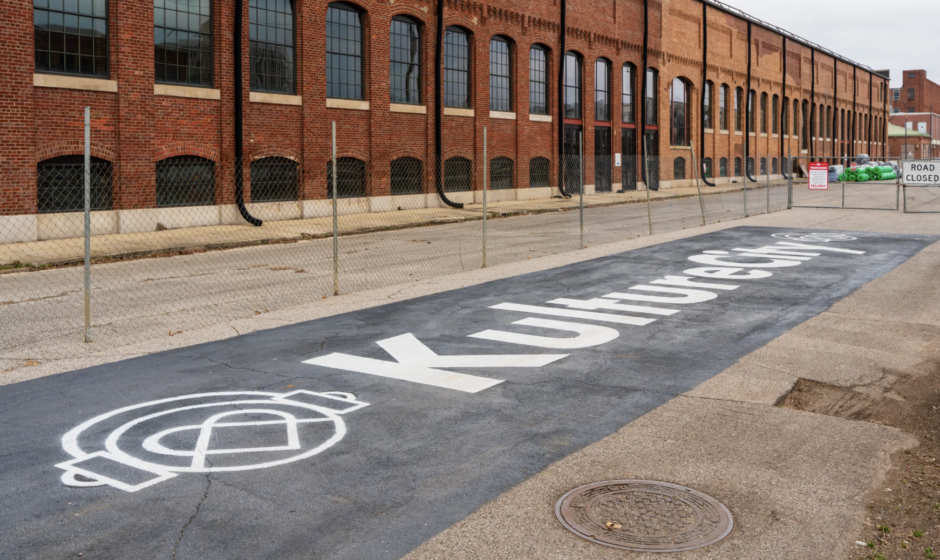

Birmingham-based nonprofit KultureCity has earned national recognition after being included in TIME’s list of the 100 most influential companies in 2026.
Global Recognition for Sensory Inclusion Work
KultureCity was named to TIME’s annual “100 Most Influential Companies” list for its work in sensory accessibility and inclusion. The organization focuses on improving public spaces for people with sensory processing disorders, including autism, PTSD, and dementia.
Founded in 2013 by Dr. Michele Kong and Dr. Julian Maha, the nonprofit partners with major venues across the country. These include entertainment sites, sports arenas, retail locations, and cruise lines. Staff training programs, sensory kits, and designated quiet areas are part of its accessibility efforts.
The recognition highlights the organization’s growing national and global impact in improving how public spaces support neurodiverse individuals.
Expansion and Major Birmingham Projects
KultureCity recently reached a milestone with the opening of its 1,000th sensory room at the Birmingham Civil Rights Institute.
The organization continues to expand its physical presence and community programs in Birmingham and beyond.
The nonprofit also acquired the historic Powell Steam Plant in downtown Birmingham near Railroad Park. The site is being redeveloped into KultureCity’s National Accessibility Park, which will include a museum, technical college space, and an outdoor amphitheater. A FIFA Arena has also been added to the redevelopment plans.
The full project is scheduled to open in 2028 and is expected to serve as a major accessibility and education hub.
Birmingham’s Role in the Organization’s Mission
Leadership at KultureCity has emphasized Birmingham’s importance as the organization’s home base. Founders have credited the city’s support and community environment as key factors in the nonprofit’s growth.
The organization continues to expand its mission of sensory inclusion while maintaining strong ties to its origin city. Its national partnerships and local projects reflect a broader effort to make public spaces more accessible for all individuals.
Sign up for the Homely Birmingham newsletter to stay up to date on Birmingham.