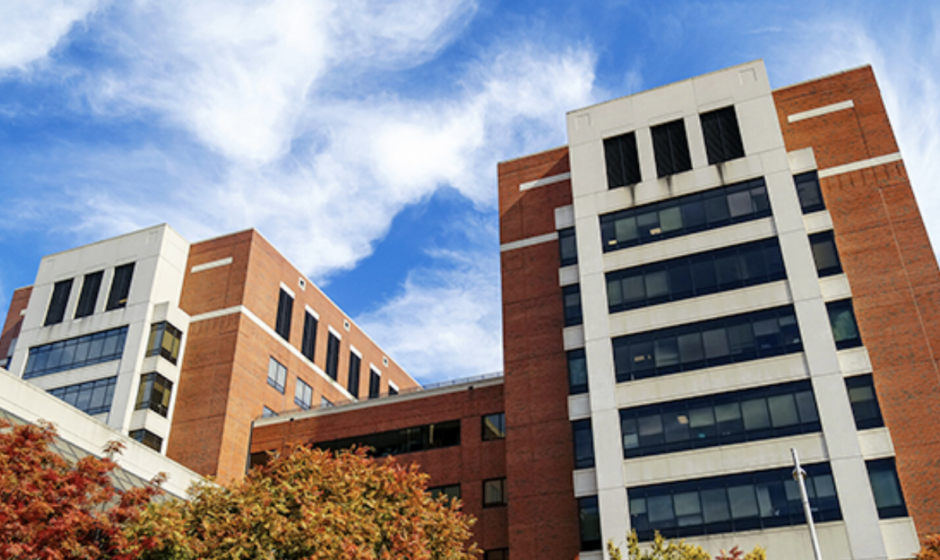

University of Alabama at Birmingham has completed two historic transplant procedures in Alabama, marking major advances in treatment options for patients with blood cancers and liver disease.
Deceased-Donor Bone Marrow Transplant Expands Cancer Treatment Access
UAB’s O’Neal Cancer Center performed Alabama’s first deceased-donor bone marrow transplant, creating a new pathway for patients who struggle to find matching living donors.
Doctors involved in the procedure said the approach helps solve one of the biggest challenges in transplant medicine: timing. Traditional bone marrow transplants depend on matched living donors, which can delay treatment for patients with aggressive blood cancers.
By using stem cells from deceased donors, physicians can move forward with treatment when no living donor match is available. Medical teams say this expands the donor pool and improves access to potentially curative therapies for more patients across the state.
Living-Donor Liver Transplant Offers Faster Treatment Options
UAB also completed Alabama’s first living-donor liver transplant in March 2026. The procedure allows a healthy donor to give a portion of their liver to a recipient, with both livers naturally regenerating over time.
Specialists in transplant surgery said this method can reduce waiting times and lower the risk of complications linked to long transplant delays. Patients may receive treatment earlier, often in better overall health, which can improve recovery outcomes.
The advancement means patients in Alabama no longer need to travel out of state for this type of transplant procedure, bringing expanded care options closer to home.
Donor Participation Still Plays a Critical Role
Even with these new medical approaches, donor participation remains essential. Patients continue to rely on national registries such as the National Marrow Donor Program to find compatible matches.
Health experts encourage eligible individuals to consider joining donor registries, noting that the process is simple and similar to donating blood. Increased participation helps improve match rates and expands treatment access for patients in need.
UAB leaders say these breakthroughs reflect ongoing efforts to improve survival outcomes and reduce waiting times for patients facing serious illnesses.
Sign up for the Homely Birmingham newsletter to stay up to date on Birmingham.